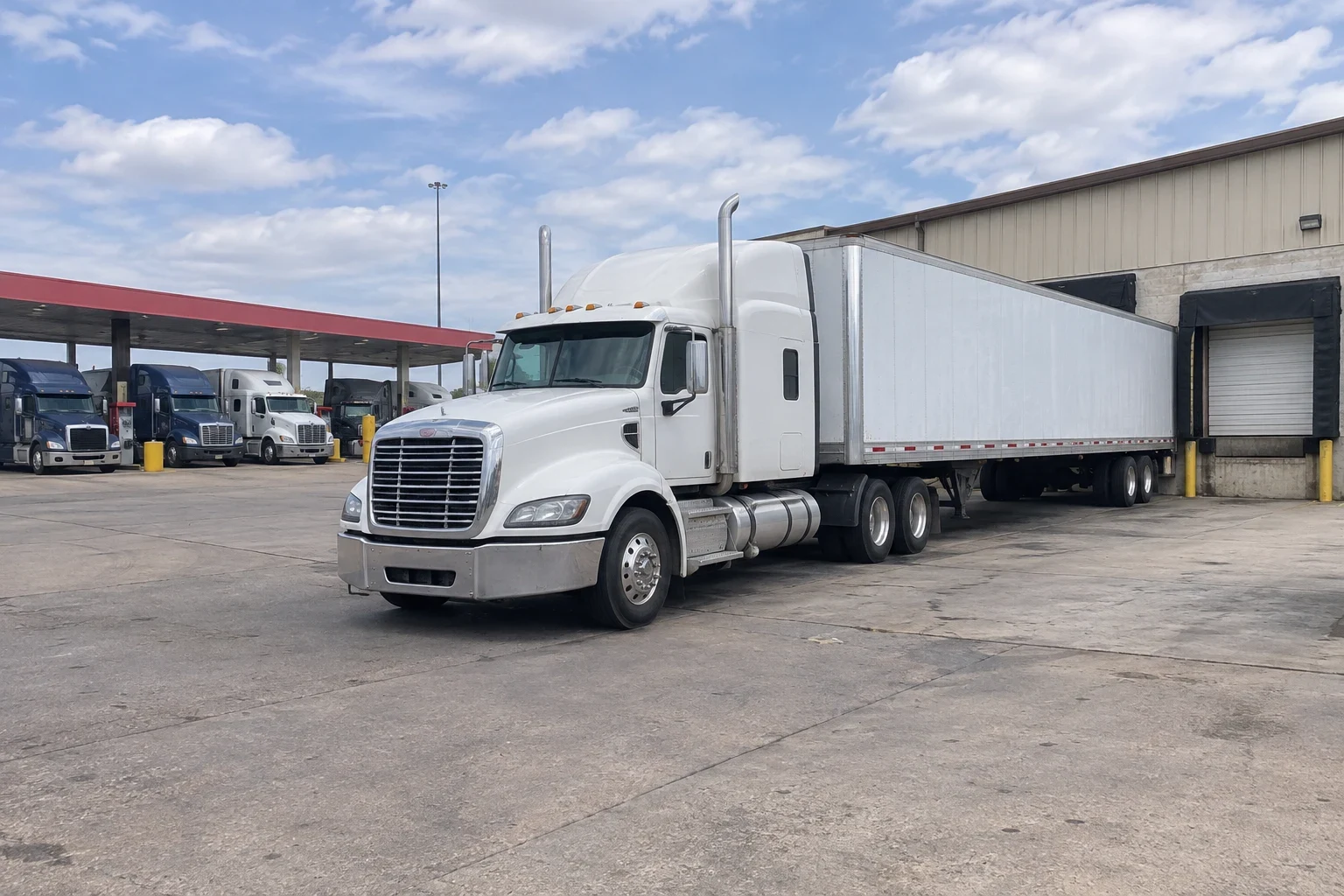
Trucking Insurance in Mesquite, Set Up Before the Deadline
We insure owner-operators, new MC authorities, small fleets, and hotshot, box truck and dump truck businesses. That means liability that protects the public, cargo coverage for the load, physical damage on the equipment and bobtail for leased drivers. Carriers from Mesquite to Forney and Garland work with us early, so filings are on record before a broker checks.
- Licensed for property and casualty insurance
- Phone and video quotes
- Filings handled with policy
- Early renewal reviews
Coverage for Every Kind of Truck You Run
Most operations need several policies working together: primary auto liability for the public, physical damage for the tractor and trailer, and motor truck cargo for the load. Leased owner-operators usually add non-trucking liability, and anyone pulling another company's trailer needs trailer interchange. We also write packages built around the equipment itself, from hotshot rigs and box trucks to dump trucks on construction sites. Pick a service below to see what each one covers and what it does not.
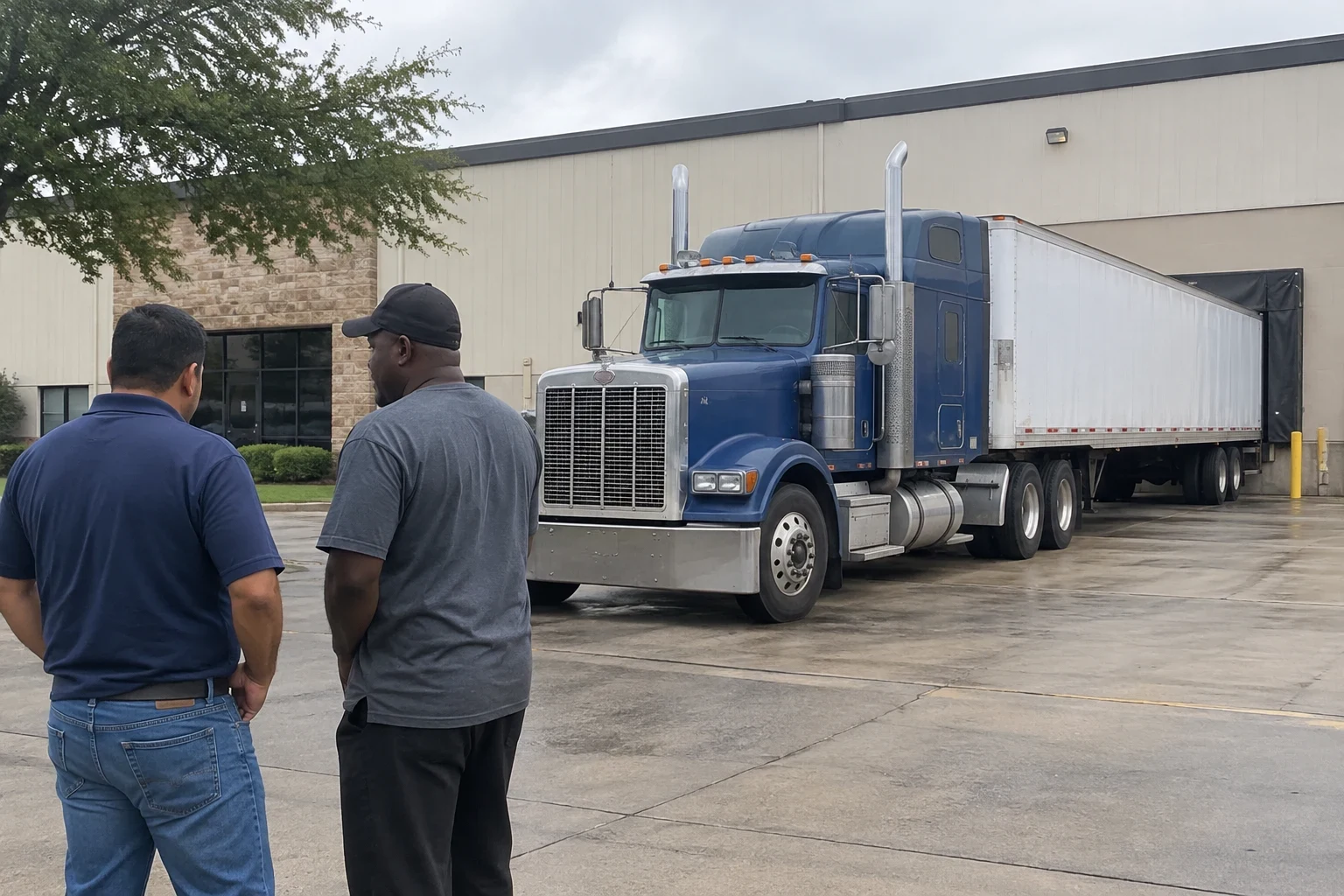
Commercial Trucking Insurance
Liability, physical damage, cargo and the federal filings that keep your MC authority active, assembled as one plan and reviewed well before renewal.
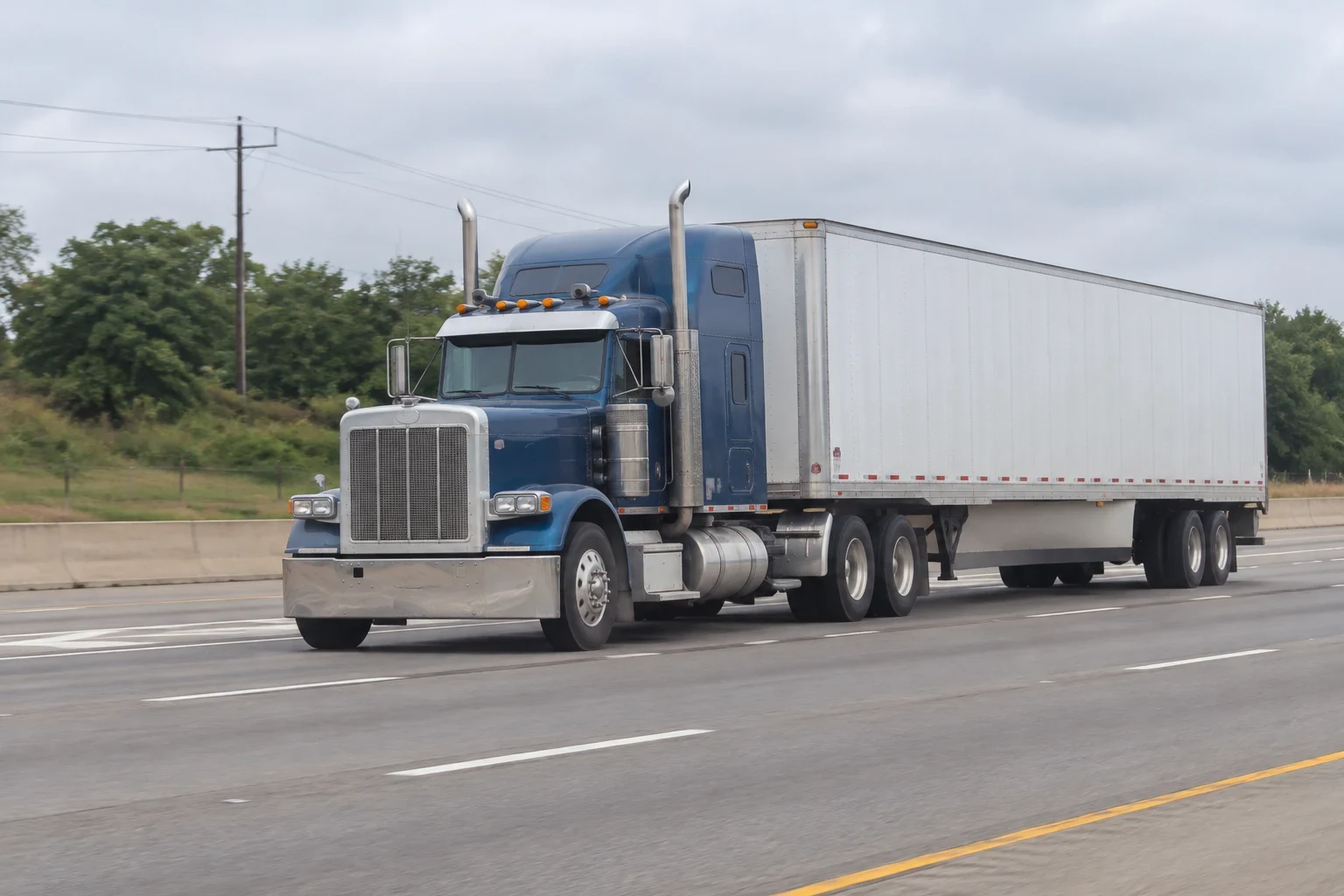
Primary Auto Liability
The coverage that keeps your MC authority active, with limits matched to your contracts and filings handled before your truck needs to roll.
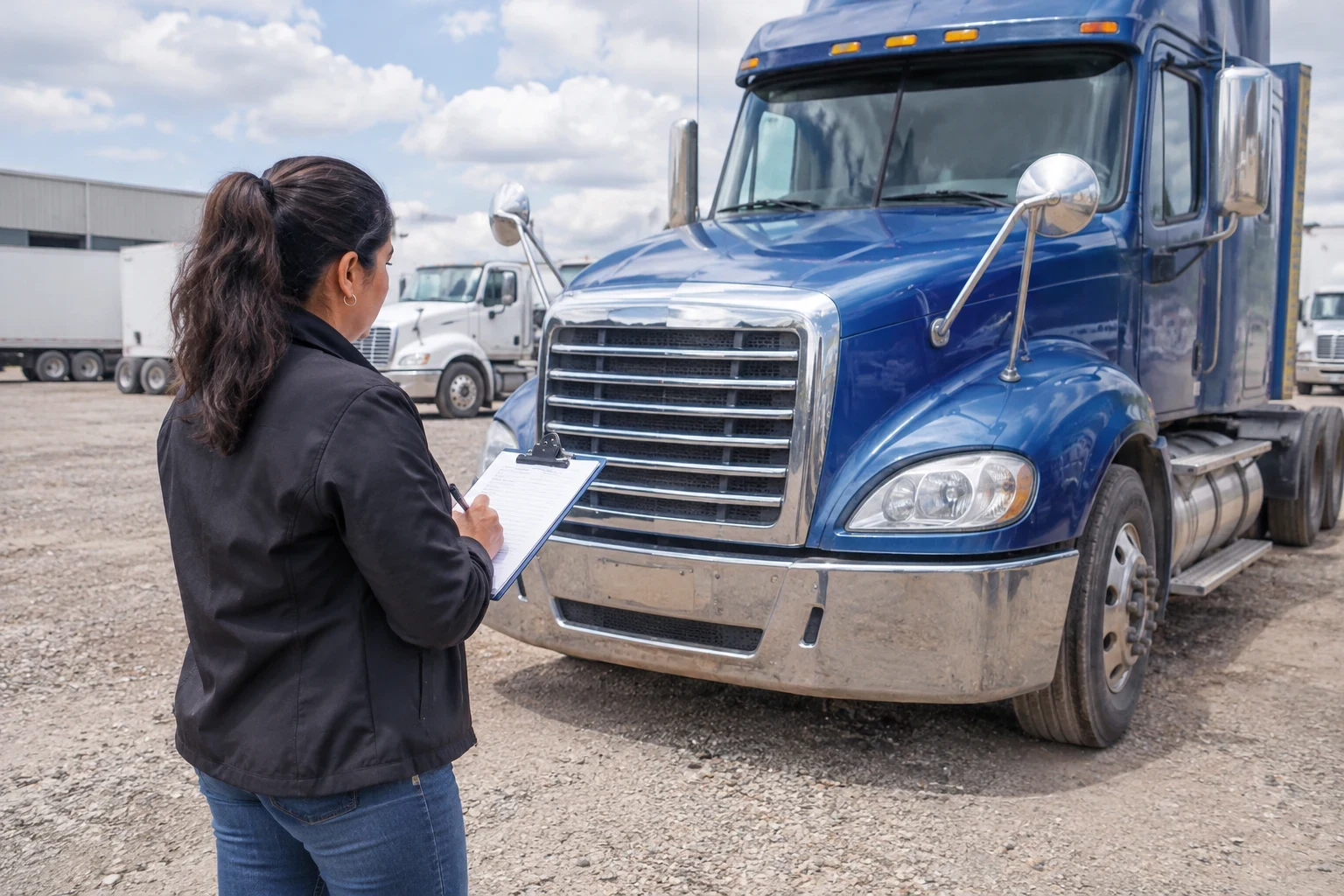
Physical Damage Insurance
Collision and comprehensive coverage for your tractor, straight truck or trailer, with a stated value and deductible planned before a loss.
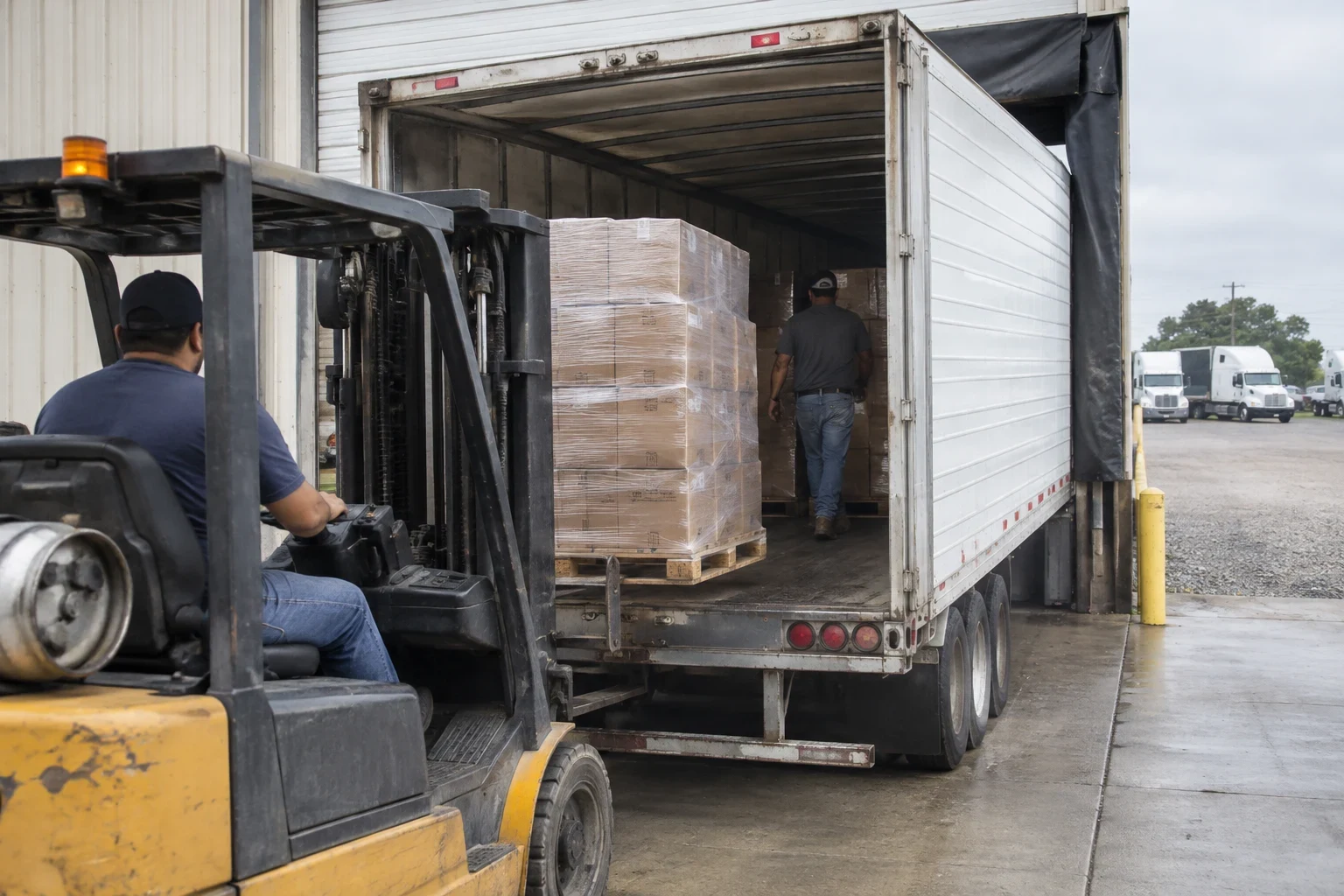
Motor Truck Cargo Insurance
Cargo coverage built around your actual commodities, per-load values and broker limits, so a lane change or new shipper does not catch your policy short.
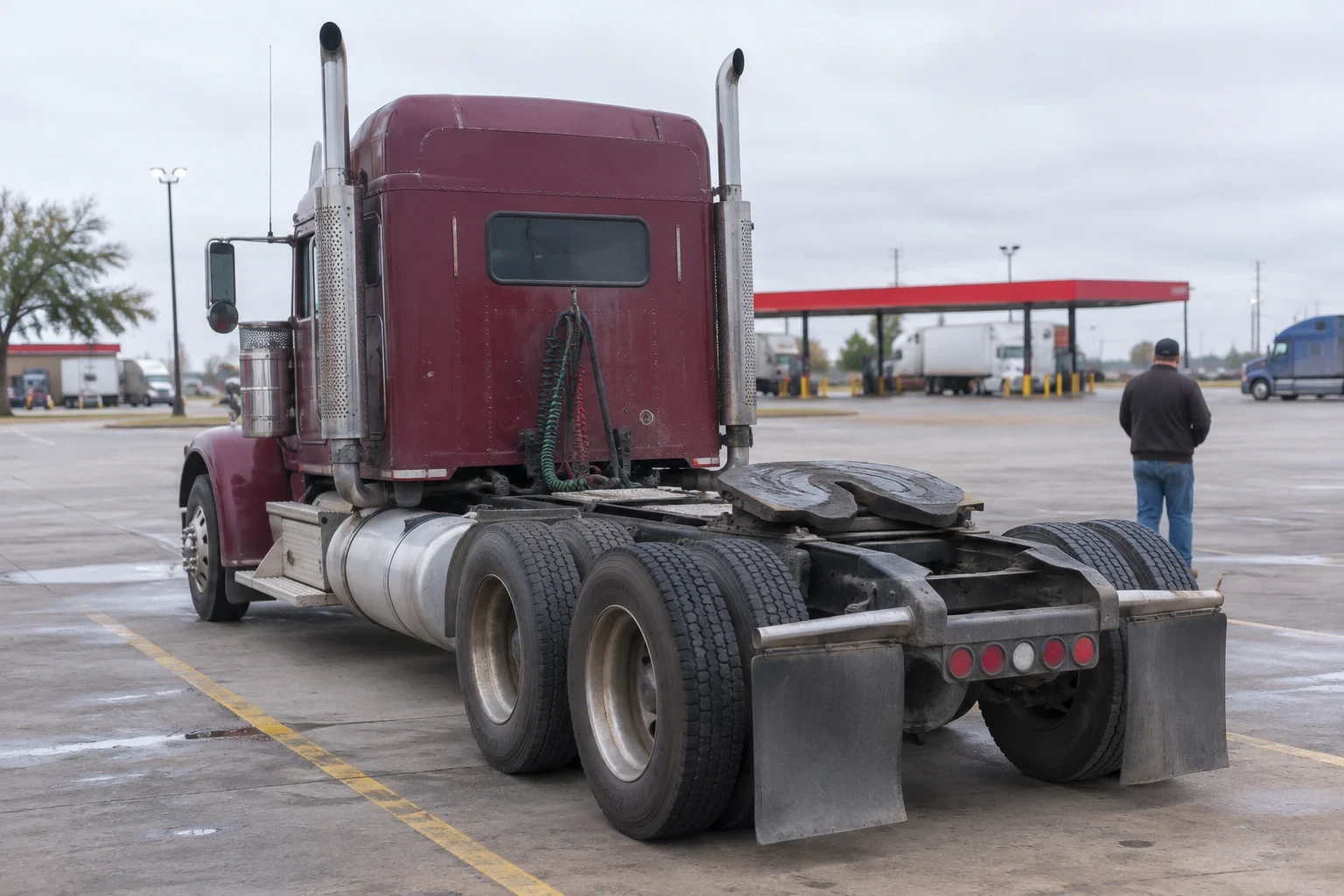
Non-Trucking Liability (Bobtail)
Liability coverage for leased owner-operators when the truck moves off dispatch, set up to match the limits and certificate wording your motor carrier requires.
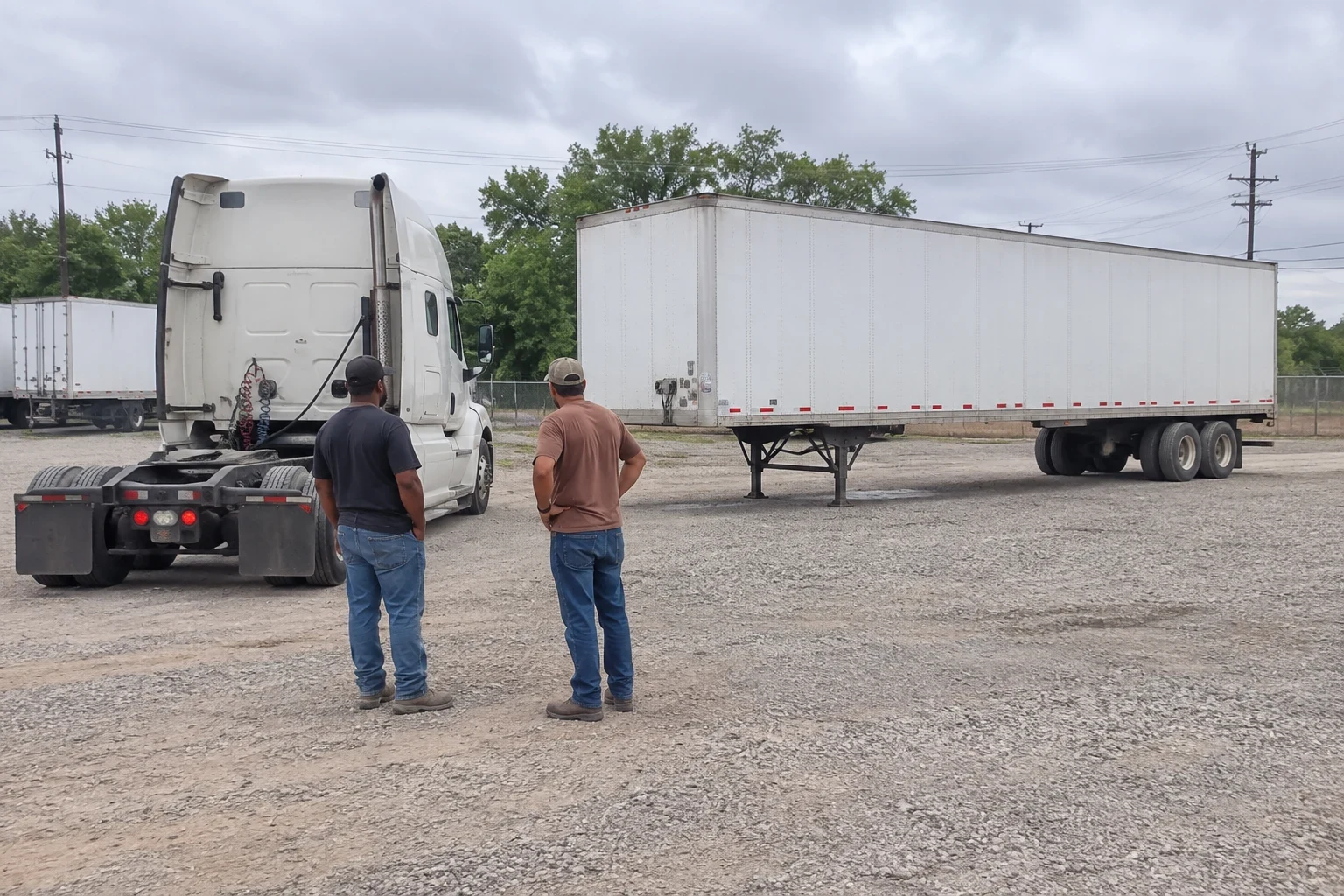
Trailer Interchange Insurance
Physical damage coverage for trailers, containers and chassis you pull under a written interchange agreement, set to the limit that agreement requires.
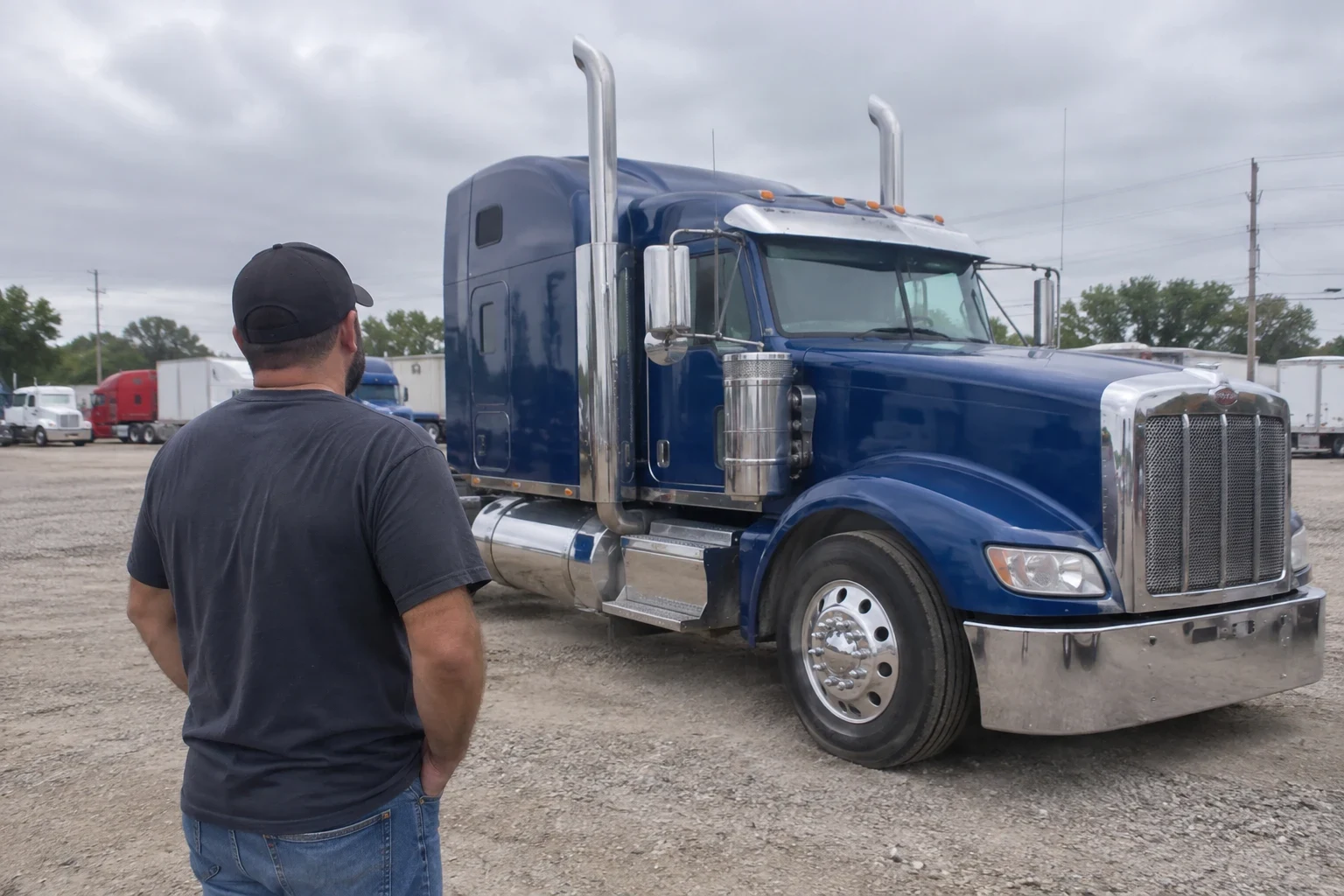
Owner-Operator Truck Insurance
Coverage for single-truck owners, set up around your lease agreement or your own MC authority, with filings and certificates handled before you need them.
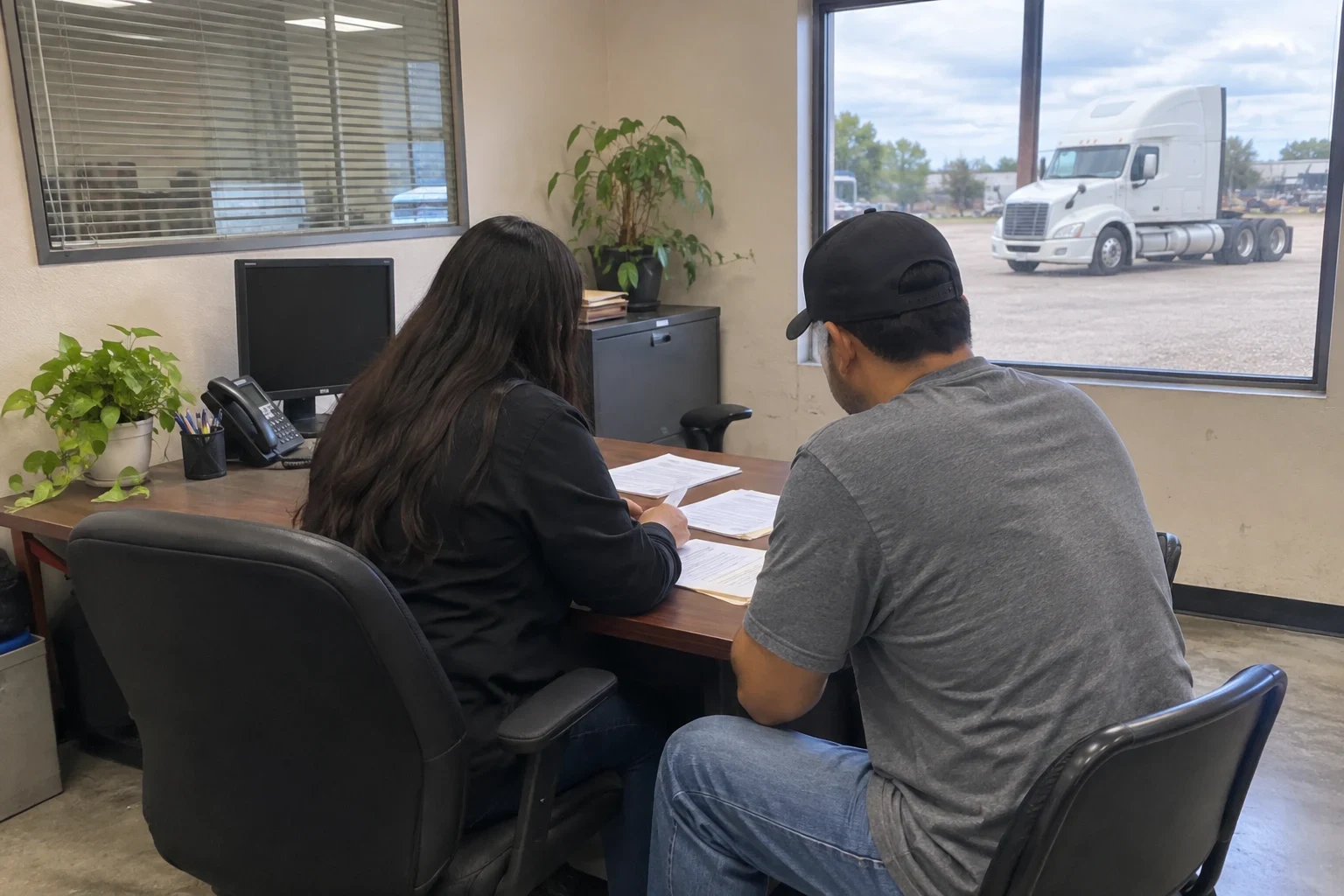
New Authority Truck Insurance
Liability, cargo and physical damage coverage for new motor carriers, with BMC-91X and Form E filings timed to your MC authority application.
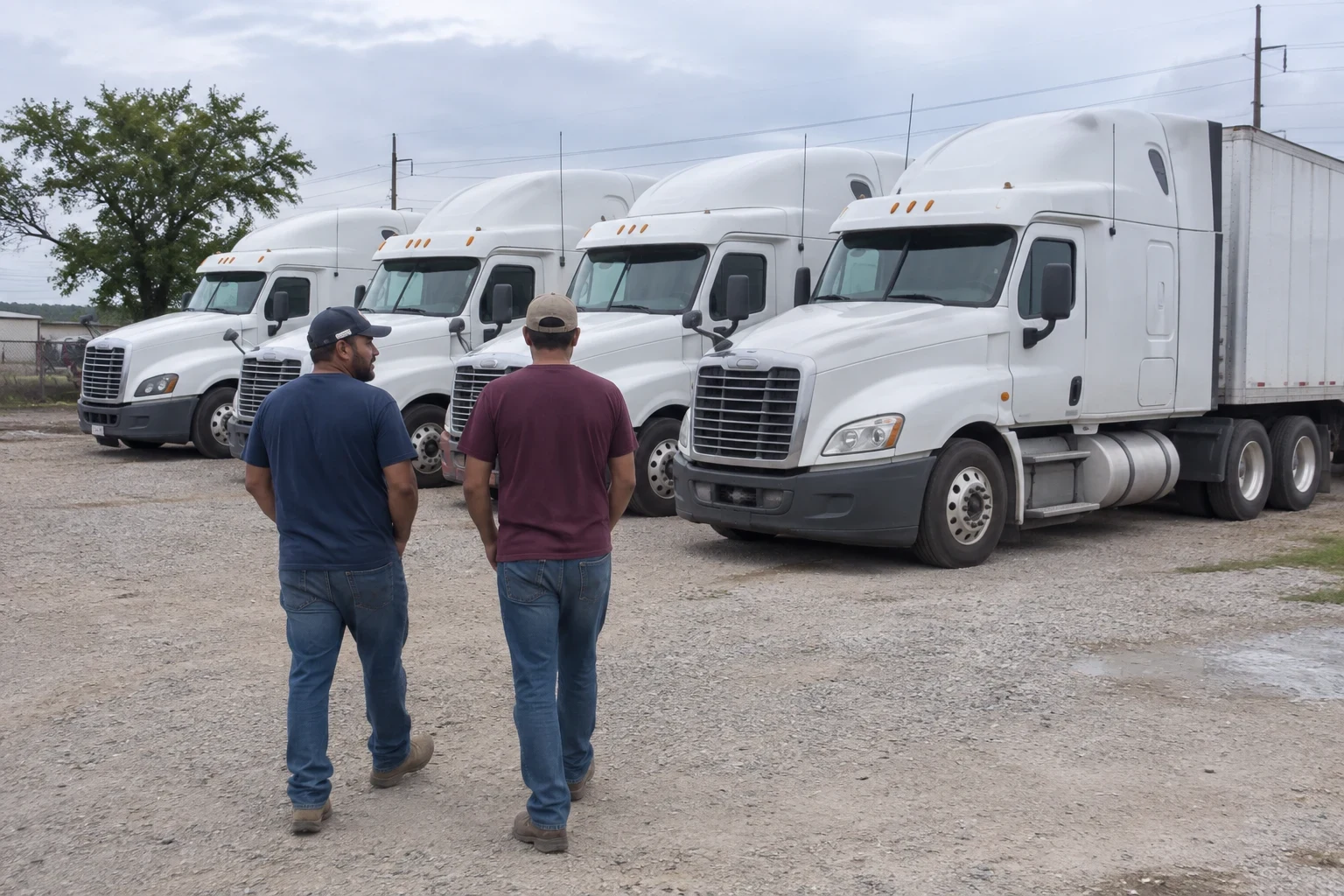
Fleet Truck Insurance
One policy for several power units and drivers, with schedules, filings and renewals handled on a calendar instead of in a rush.
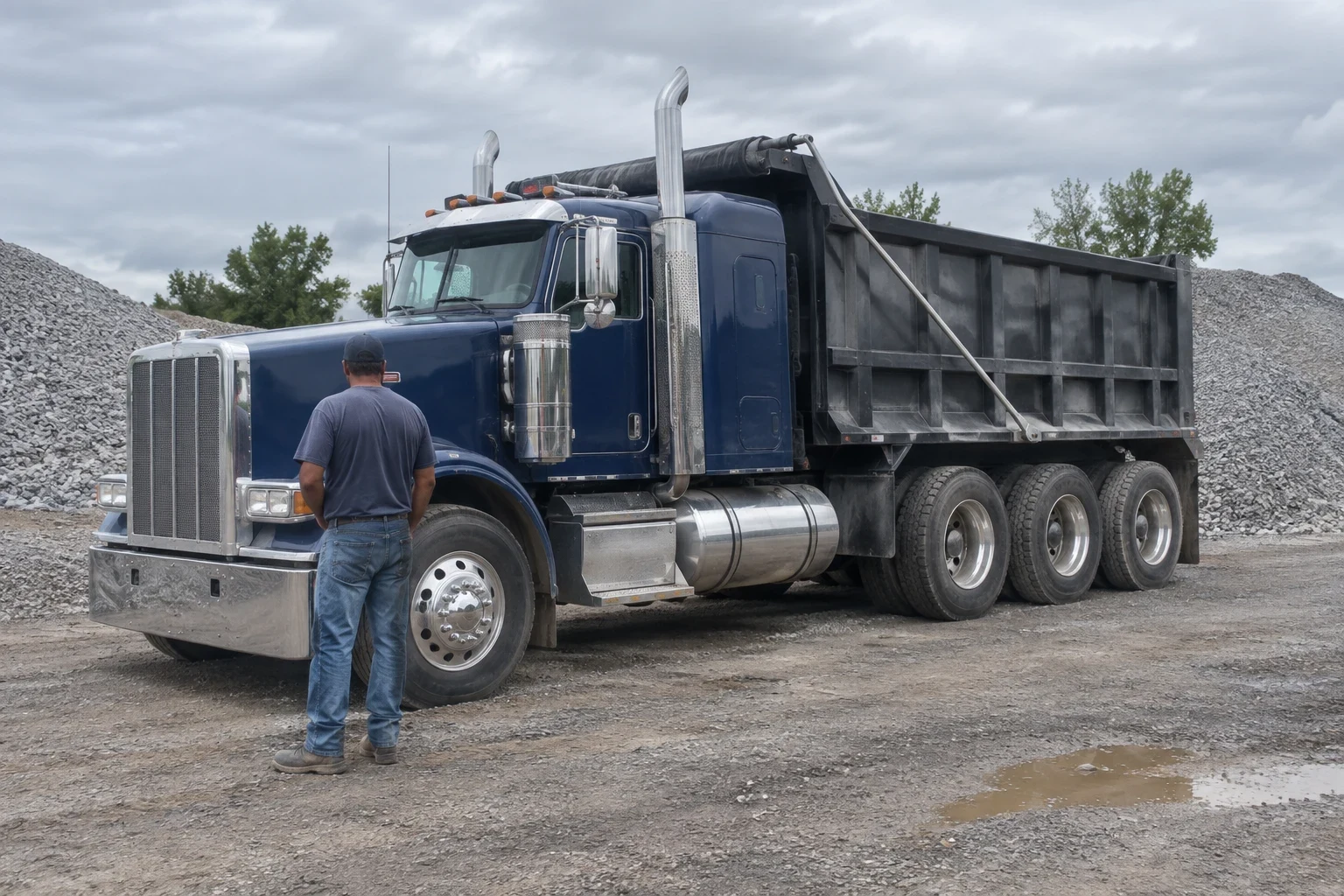
Dump Truck Insurance
Liability, physical damage and certificates for dump trucks, end dumps and construction haulers, sorted out before a general contractor asks for them.
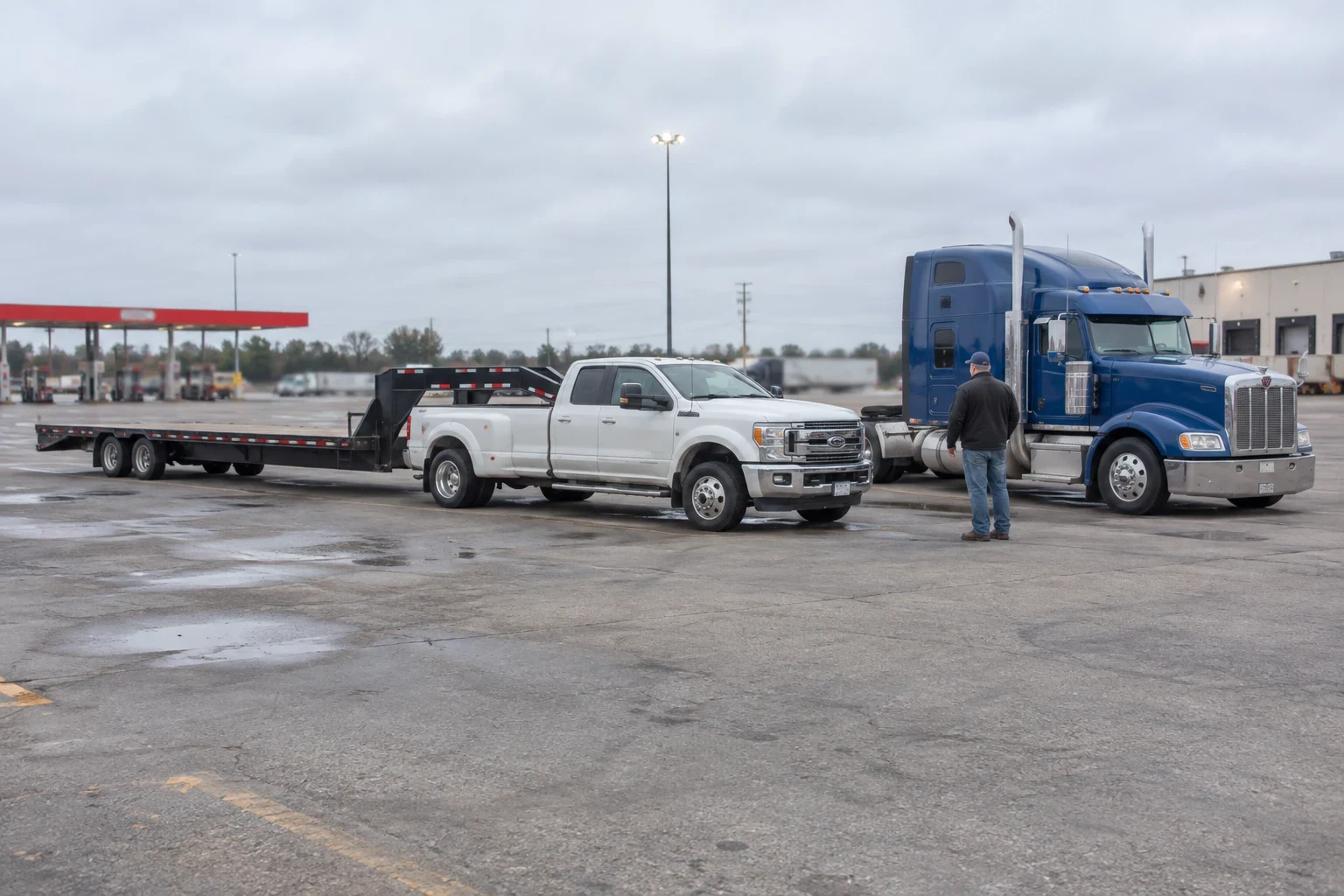
Hotshot Truck Insurance
Coverage for one-ton pickups pulling gooseneck and flatbed trailers, set up around your weights, freight and authority before the first load.
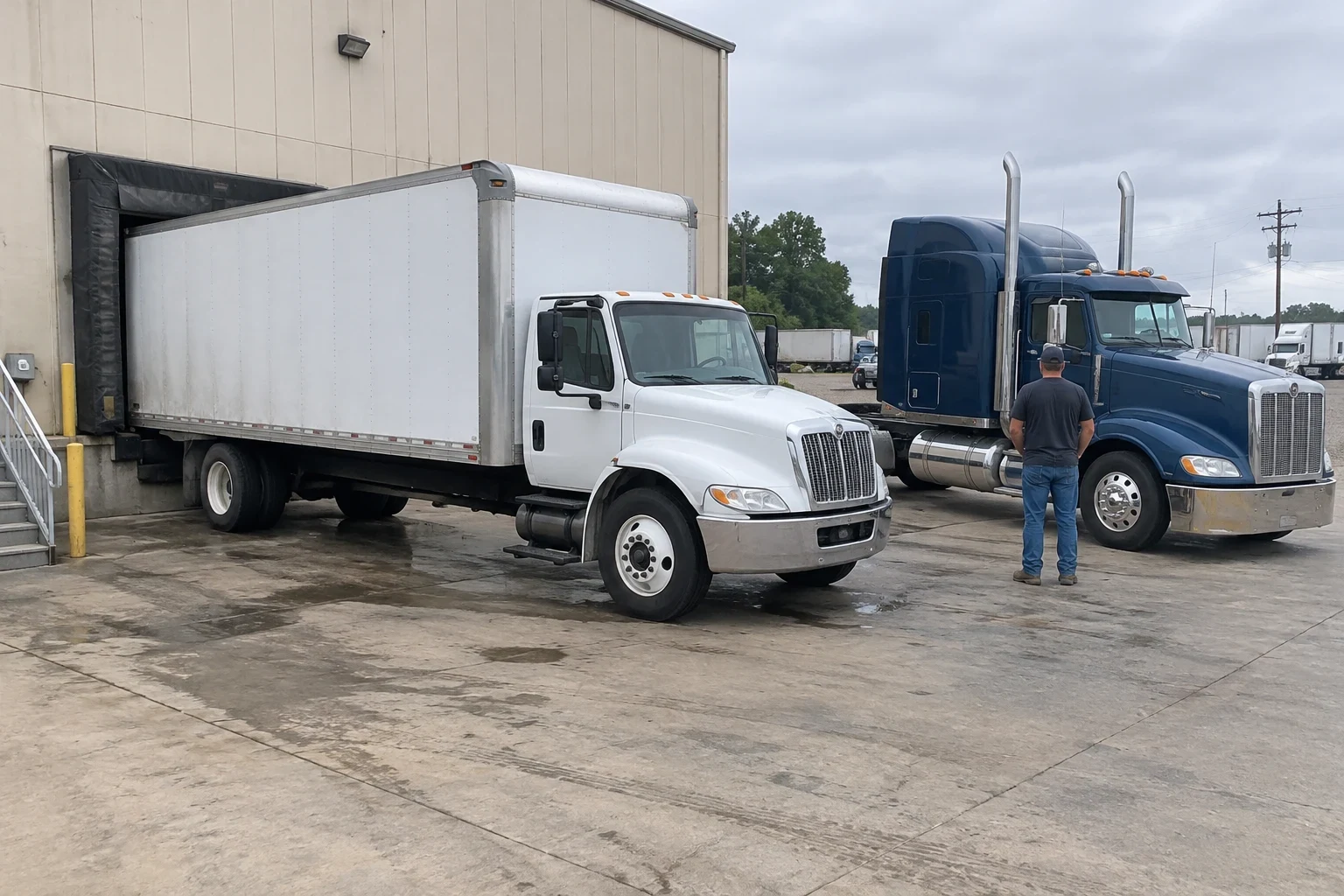
Box Truck Insurance
Liability, cargo and physical damage coverage for straight trucks, matched to your weight class, freight and the contracts you plan to run.
What Moves Your Premium
A trucking premium is assembled from a short list of underwriting factors, and you have a hand in several of them. Seeing them early helps you budget, and sometimes lets you lower the number before the policy is bound.
Each quote starts from your DOT number, equipment list, driver details and loss runs, and we go over every line with you before you decide. We do not quote a price until underwriting has your real information.
- Radius and lanes
- A dump truck working inside a 50-mile circle is rated on a different basis than an over-the-road tractor crossing several states. More miles from home means more exposure, which usually pushes the liability rate up.
- Commodity hauled
- General freight, building materials, refrigerated food and vehicles each carry their own cargo risk. Loads that are expensive or attractive to thieves raise the cargo premium and can require higher limits.
- Drivers and their records
- Underwriters review each driver's age, years holding a CDL and motor vehicle record. A single recent at-fault crash or a major moving violation can narrow the list of carriers willing to quote.
- Time under authority and loss history
- A new authority has no track record yet, so it pays more until one exists. Established carriers are judged on three to five years of loss runs, which is why each clean year counts.
- Unit values and the deductible you pick
- Coverage for the tractor and trailer is priced from the value you declare for each unit. Raising the deductible lowers that part of the premium, but it only makes sense if you could cover the deductible from cash on hand after a wreck.
- Garaging location
- Where your trucks sit overnight affects the rate. Parking in urban Dallas County usually rates higher than rural counties because of heavier traffic and more theft exposure.
Why Motor Carriers Plan Coverage With Us
A lapse in liability coverage can put your MC authority at risk. We set up your policies and filings early, then explain each line so you know what you are paying for.
Clear about what we can write
We are licensed for property and casualty insurance. Commercial auto liability, cargo and physical damage all fall under that category. We place each policy with an insurance carrier and tell you by name which company stands behind it.
Renewals start before the notice arrives
We begin renewal work well ahead of your expiration date. That gives time to pull fresh loss runs, update the driver list and compare more than one carrier instead of signing whatever shows up in the last week.
Filings treated as part of the job
A policy that is not filed does not keep your authority active. We confirm the liability filing with FMCSA, and the state filing for Texas intrastate work, is actually on record rather than assuming the carrier sent it.
Coverage matched to what you haul
Cargo forms often exclude specific commodities, unattended vehicles or reefer breakdown. We read the exclusions against your actual freight so a claim on a load of electronics or produce does not get denied over fine print.
Certificates without the scramble
Brokers, shippers and general contractors want a certificate of insurance naming the right holder and carrying the endorsements their contracts call for. Once we know who you haul for, we keep those details on file so a new load is not held up on paperwork.
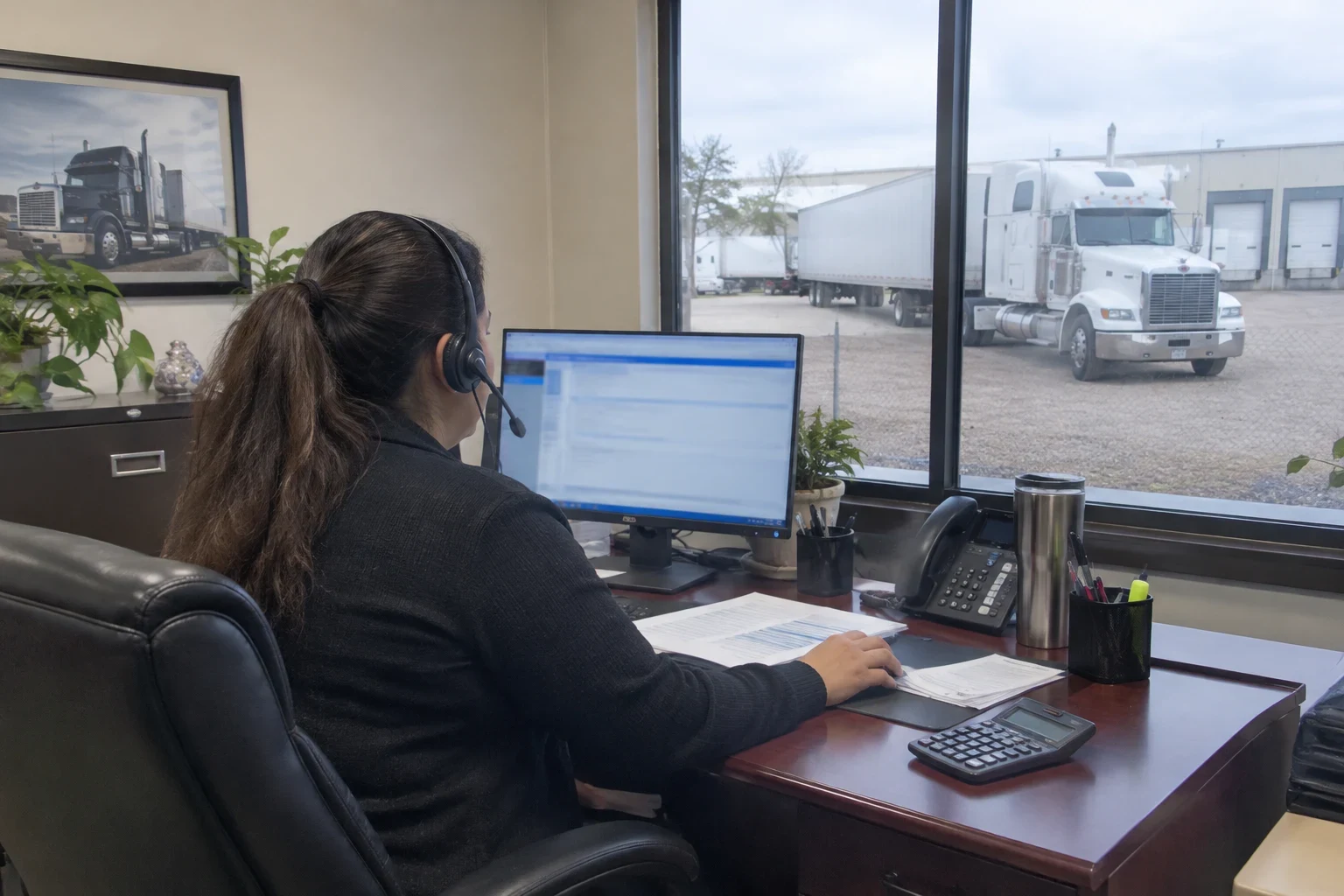
A Trucking Insurance Office in Mesquite
Trucking Insurance Mesquite works only with trucking operations. That focus means we know the difference between a BMC-91X filing and a certificate of insurance, why a box truck under 26,001 pounds is rated differently from a Class 8 tractor, and why a dump truck operator needs to ask about hired and non-owned exposure.
Our approach is simple. We would rather have the conversation about your renewal, your next truck purchase or your new authority months ahead than in the week a broker pulls your load. Planning early gives you options, and it gives us time to explain them clearly.
- License
- Licensed for property and casualty insurance
From First Call to Filed Policy
Nearly everything gets done by phone, with video or an office visit when a document needs a closer look. These are the steps, in order.
- 1
An opening call
We start with your freight, your usual radius, how many power units and drivers you run, and the date coverage has to begin. For a new authority, we lay out when each filing should go in.
- 2
Gathering documents
We collect your DOT and MC numbers, VINs and stated values, driver CDL and date-of-birth details, and prior loss runs if you have them. Getting it all up front means fewer surprises from underwriters later.
- 3
Comparing carriers
We bring your details to the insurance companies that write your class of trucking and set the options next to each other, including limits, deductibles and the cargo exclusions that matter for your freight.
- 4
Binding and filing
After you choose, we bind coverage, confirm the required filings are on record and issue certificates of insurance to the brokers or contractors you name.
- 5
Changes during the year
Adding a truck, dropping a driver or taking on a customer that wants higher limits all run through us by phone. We also note your renewal date and begin that review early.
Motor Carriers We Work With Around Mesquite
Our office is in Mesquite, TX, and we work with carriers across eastern Dallas County and the counties nearby. That includes operators based in Balch Springs, Sunnyvale, Seagoville and Garland, and toward Forney, Heartland, Travis Ranch, Heath, Rowlett and Rockwall.
- Mesquite
- Balch Springs
- Sunnyvale
- Forney
- Seagoville
- Heath
- Heartland
- Travis Ranch
- Garland
- Rowlett
- Rockwall
Because quotes and reviews can be done by phone or video, you do not need to be close by to work with us. Ask about your location when you reach us.
Questions Truckers Ask Before Buying Coverage
How much does trucking insurance cost?
It depends on your radius, commodity, drivers, equipment values, garaging location and loss history, so no single honest number exists. A new authority hauling general freight is rated very differently from an established dump truck operator running locally. We build your quote from your actual details and point out which factors are driving the premium.
What liability limit do I need for my MC authority?
Federal rules set a $750,000 liability minimum for most interstate general freight carriers, with higher minimums for certain hazardous materials. Many brokers and shippers, though, want $1,000,000 before they will tender a load. We check what your customers require so your policy keeps you legal and keeps you getting freight.
I'm applying for new authority. When should I start on insurance?
Start when you file for your MC number, or earlier. FMCSA will not activate your authority until the liability filing is on record, and new-venture underwriting moves slower because there is no loss history to review. An early start keeps insurance from being the reason your trucks sit.
What is the difference between bobtail and non-trucking liability?
Both apply to leased owner-operators when they are off dispatch. Non-trucking liability covers you while driving for personal use, while bobtail coverage can also respond when you are running without a trailer between loads. Wording differs from carrier to carrier, so we read the actual form with you and compare it to how your lease defines dispatch.
What do I need to have ready for a quote?
Have your DOT and MC numbers if they have been assigned, plus the year, make, VIN and value of each truck and trailer. For every driver we need the name, date of birth, CDL number and years of driving experience. If you were insured before, three to five years of loss runs help a lot. A short description of your freight and usual radius completes the picture.
Will you issue certificates of insurance for the brokers I haul for?
We will. Tell us by phone the holder's exact legal name and any wording their contract calls for, such as a waiver of subrogation, and we produce the certificate from your active policy. Once your regular customers are on file, the next request goes faster.
When should I start my renewal review?
We suggest beginning at least 60 days before the expiration date. That leaves time to order current loss runs, update the driver and equipment lists, and get quotes from more than one carrier. Waiting until the final two weeks usually means accepting the renewal offer as written.
Plan Your Coverage Before You Need It
Tell us about your trucks, drivers and freight, and we will start building your quote and filing plan. The earlier we talk, the more options you have.