ServicesOwner-Operator Truck Insurance
Owner-Operator Truck Insurance in Mesquite
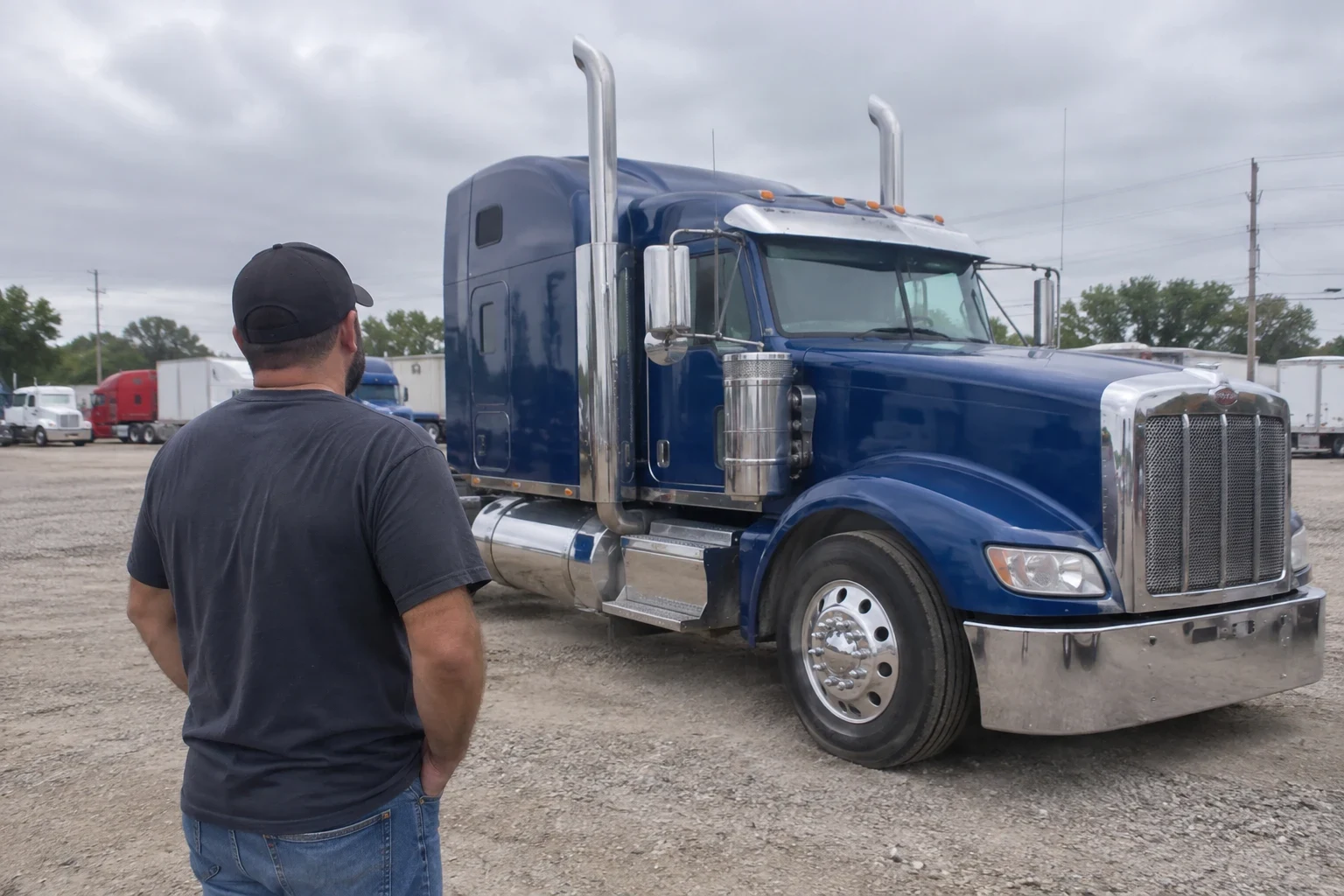
You own the truck, so the policy has to fit the way you haul. We set up owner-operator coverage around your lease agreement or your own MC authority, go over each line before you sign, and start your renewal review early so a lapse doesn't sideline you.
What Owner-Operator Coverage Actually Includes
Owner-operator truck insurance is a bundle, not a single policy. It is built for a driver who owns the equipment, and the right bundle hinges on who holds the operating authority: a carrier you are leased to, or you, with your own MC number and DOT number.
When you are leased on, the carrier usually provides primary auto liability while you run its loads. You still carry non-trucking liability for off-dispatch miles, physical damage on the tractor, and any limits your lease agreement sets. Many leases also require the carrier to be named on your policy, and overlooking that line can delay your first load.
Running your own authority shifts the load onto you. You carry primary auto liability directly, and FMCSA won't activate your authority until your insurer's filing is on record. Brokers will ask for cargo coverage and a current certificate of insurance too. We sort what you need today from what can wait, so the cost is budgeted rather than a surprise.
Coverages We Set Up for Owner-Operators
Primary auto liability and filings
Once you dispatch under your own authority, this is mandatory. It answers for bodily injury and property damage your truck causes to other people. We prepare the paperwork so your insurer can place the federal filing with FMCSA, and the Texas Form E as well if you also haul intrastate.
Non-trucking liability (bobtail)
This one is for leased-on drivers. It handles liability when you are off dispatch, such as a run to the shop or the empty drive home after a delivery. When you are under load for the carrier, the coverage no longer applies, which is why the exact policy wording matters.
Physical damage on the tractor
This pays to repair or replace your truck after a collision, fire, theft or hail. The policy is written on a stated value, so we help you set a number that reflects what the truck is worth today. Lienholders almost always make it a condition of the loan.
Motor truck cargo
This covers freight that gets damaged or lost while you are responsible for it. We line up the exclusions against the loads you actually pull, because reefer breakdown, unattended vehicle and certain commodities are common holes.
Trailer interchange
If you hook up to trailers owned by someone else under an interchange agreement, you need this. It pays for physical damage to the borrowed trailer for as long as you have it hooked up or parked under your control.
Proof of coverage for every load
Carriers, brokers and shippers each want a current certificate of insurance on file. We send those out for you, so a booked load is not stuck waiting on paperwork.
Signs Your Current Coverage No Longer Fits
- You are leaving a lease for your own authority
- Bobtail coverage stops being enough the day you dispatch yourself. You will need primary liability and a filing in place before FMCSA activates your MC number, so start that conversation weeks ahead.
- Your lease agreement lists limits you don't recognize
- Carriers set minimum limits for non-trucking liability and physical damage, and some require specific deductibles. If you signed without comparing those numbers to your policy, it is worth a review.
- You financed a newer truck
- Your lender will want physical damage with a stated value that covers the loan and will want to be listed as loss payee. An older truck's coverage rarely carries over correctly.
- A broker asked for higher cargo limits
- Higher-value freight often comes with a higher cargo requirement. Raising the limit mid-term is usually possible, but it changes the premium.
- Your renewal jumped and nobody explained why
- A rate increase usually traces to something specific: a claim, a violation on your MVR, a change in radius or the insurer's own filing. We find the cause before shopping alternatives.
How We Put Your Policy Together
- 1
Start with how you run
Over the phone, on a video call or across the desk at our office, we go through your freight, your lanes, who dispatches you and what equipment you own. Those answers decide which coverages apply and which you can skip.
- 2
Gather the documents
Have your CDL, DOT number, truck VIN and value, any lease agreement, and loss runs from prior insurers ready. Underwriters lean heavily on loss runs, so request them from past insurers early.
- 3
Compare options line by line
We go over limits, deductibles and exclusions on each quote so you see what actually differs between them, not only the premium.
- 4
Bind, file and issue certificates
After you choose, we bind coverage, get the required filings placed and send certificates to your carrier or brokers. Then we note your renewal date and begin reviewing it well before it expires.
What Moves an Owner-Operator Premium
An underwriter prices your policy from four things it can measure: who drives, what truck, what freight and how many miles. A few of those you can improve before you apply, which is the payoff of starting months early. We'll point out which factors are pushing your number up.
- MVR and time behind the wheel
- Your motor vehicle record and how long you have held a CDL carry heavy weight. Drivers with fresh CDLs usually see fewer markets willing to write them until they build some history.
- Operating radius and freight type
- Local and regional runs are priced differently from long-haul lanes. Hazmat, high-value electronics and refrigerated loads all push cargo and liability costs higher.
- Truck value and deductible
- Physical damage premium tracks the stated value of the tractor. Choosing a higher deductible lowers the premium, but you pay more out of pocket when a claim happens.
- Authority age and loss history
- A newer MC number costs more until it shows time in business. Claims on your loss runs travel with you to every insurer you approach.
- Leased on versus own authority
- A leased-on driver carrying bobtail and physical damage typically pays much less than an operator who carries primary liability and cargo alone.
Owner-Operator Insurance Questions
- If I'm leased on, do I need my own liability coverage?
- In most cases you need non-trucking liability rather than primary. The carrier's primary policy protects you while you are under its dispatch, and your bobtail policy picks up when you are off it. Check your lease agreement anyway, since some carriers set it up differently and name their own minimum limits.
- Is bobtail the same as non-trucking liability?
- People use the two terms as if they mean the same thing, but policy wording can differ. Bobtail originally described driving a tractor with no trailer, while non-trucking liability covers off-dispatch use whether a trailer is hooked up or not. We read the actual form so the coverage fits the way you drive.
- How soon can my authority go active once I buy coverage?
- FMCSA holds your MC authority inactive until your insurer's liability filing shows on record. We get that filing moving as soon as coverage binds, but FMCSA sets its own processing pace. Line up coverage well ahead of your first booked load so that wait doesn't cost you freight.
- Can I keep my policy when I move from leased on to my own authority?
- Parts of it can stay. Physical damage on the tractor often remains in force, while non-trucking liability is swapped for primary auto liability and cargo coverage is usually added. We time the change so the new pieces start the same day the lease ends.
- Do I need anything extra to haul within Texas only?
- Intrastate carriers register with TxDMV, and the insurer files a Form E showing the required liability is in place. Run both interstate and intrastate, and you need the federal filing and the Texas filing.
Plan Your Next Policy Year Before It's Due
Bring us your lease agreement, your truck details and your renewal date. We'll lay out what you need now, what changes if you take your own authority, and what the premium depends on.