ServicesCommercial Trucking Insurance
Commercial Trucking Insurance in Mesquite
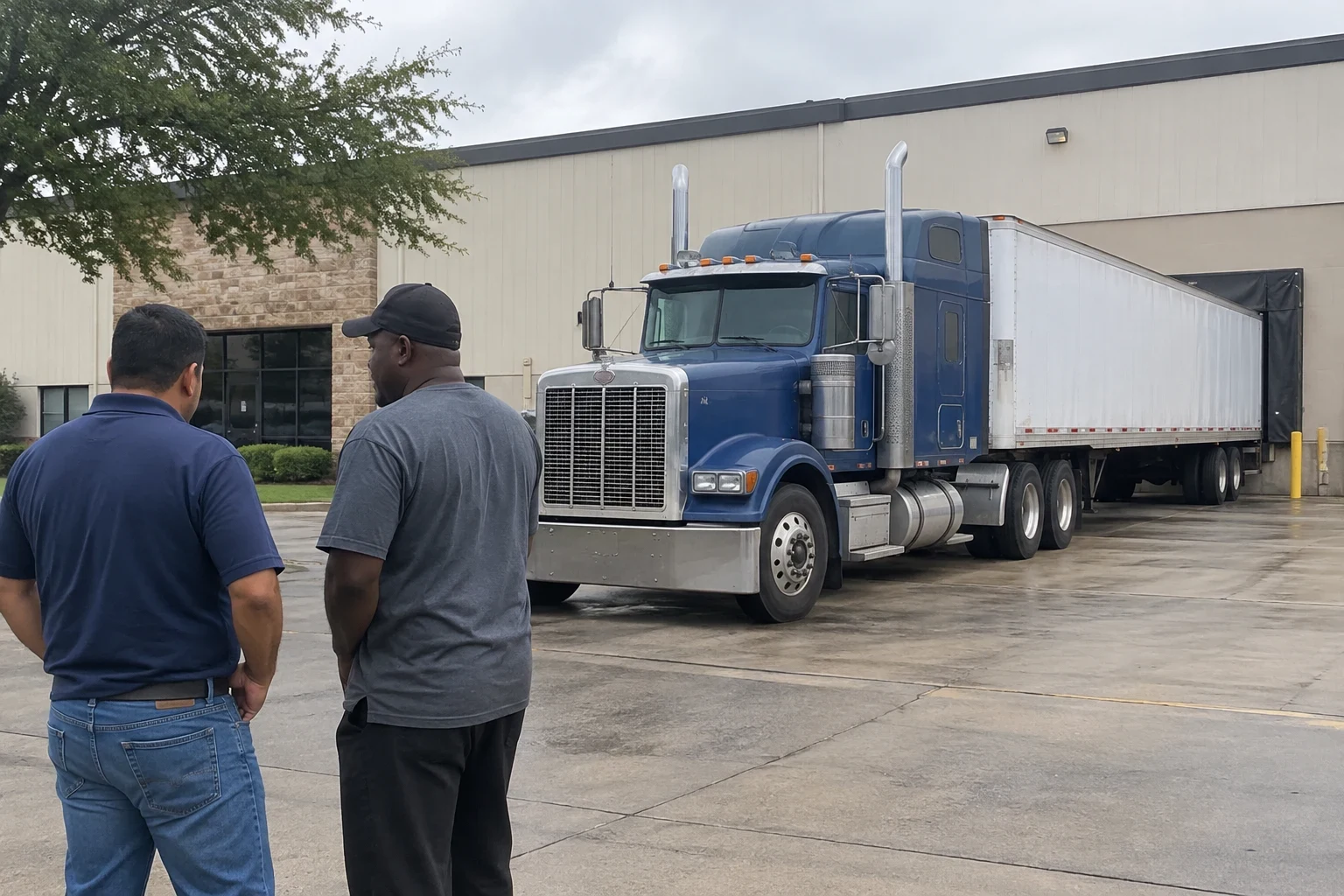
Commercial trucking insurance is the set of coverages that keeps your MC authority active and your trucks loaded: liability, physical damage, cargo and the endorsements shippers ask for. We build it around how you actually run, and we start early enough that a renewal or a new contract never catches you short.
One Plan, Several Policies Working Together
A trucking program is rarely a single policy. Most motor carriers carry primary auto liability with the MCS-90 endorsement and a BMC-91X filing to FMCSA, physical damage on the tractor and trailer, and motor truck cargo coverage. Depending on how you operate, non-trucking liability or trailer interchange may fill gaps the main policies leave open.
Each piece answers a different question. Liability pays for injury and damage you cause to others. Physical damage pays to repair or replace your own equipment. Cargo pays for the freight you are hauling. If one piece is missing or set at the wrong limit, a broker may refuse to load you, or a claim may land on your own bank account.
Our approach is simple: start early. Underwriters want loss runs, driver records and equipment details, and pulling those together 60 to 90 days before your effective date gives you time to compare options instead of taking whatever arrives the week your policy expires.
What We Put Together for Your Operation
Primary liability and federal filings
We match your primary auto liability limit to two things: what your operating authority calls for and what your broker and shipper contracts spell out. Then we check that the carrier has sent the BMC-91X filing to FMCSA and that the MCS-90 endorsement is on the policy.
Physical damage on tractors and trailers
We list each unit by VIN with a stated value that reflects what it would actually cost to replace. Values set too low leave you short after a total loss. Values set too high mean you pay premium for coverage you can never collect.
Cargo coverage matched to your freight
Cargo forms exclude certain commodities and conditions, such as reefer breakdown or unattended loads. We read those exclusions against what you actually haul before you sign.
Bobtail and interchange where they fit
Leased owner-operators often need non-trucking liability. Carriers who pull trailers they don't own under a written agreement may need trailer interchange coverage.
Certificates of insurance
Brokers and shippers often want their company named on a certificate before they tender freight, sometimes with specific wording from their setup packet. We prepare those certificates so paperwork doesn't leave a load sitting on the dock.
Signs It's Time to Review Your Coverage
- Renewal is under 90 days out
- If no one has asked for your loss runs yet, you are already behind the underwriting timeline.
- A broker asked for higher limits
- Contracts often call for more cargo or liability coverage than the federal minimum. Raising limits mid-term is possible, but the cost is easier to plan when you see it coming.
- You're adding a truck or a driver
- Underwriters rate the policy on every unit and every driver listed, so any addition shifts the premium. One hire with recent violations on the MVR can push up the cost across the whole policy, which is why we review a driver's record before you bring them on.
- Your lanes or freight are changing
- Moving from local runs to a long-haul radius, or from dry van to reefer or flatbed, changes both the risk and the policy forms that apply.
- You're leaving a lease for your own authority
- The coverage you carried under a carrier's authority does not follow you. The filings have to be active before your authority does.
How a Coverage Review Works
- 1
Talk through your operation
We meet in person at our office or over a phone or video call, whichever fits your schedule between loads. We go over your DOT number, operating radius, commodities, equipment, drivers and how your freight gets booked.
- 2
Gather the documents
Expect to send three to five years of loss runs, CDL copies, VINs with stated values and a commodity list. If you already have them on hand, the quotes come back faster and with fewer surprises.
- 3
Compare quotes line by line
We put limits, deductibles, exclusions and premium side by side. That way you see what each option actually covers, not just which one costs less.
- 4
Bind, file and certify
Once you choose, the policy is bound, the required filings go in, and certificates go out to the brokers and shippers you name.
What Moves Your Premium
Trucking premiums are built from how risky an underwriter judges your operation to be. Some factors you can't change quickly. Others, like deductibles and driver selection, you can plan around well before renewal.
- Driver experience and records
- Years holding a CDL and recent violations on the MVR weigh heavily. A single driver with a poor record can raise the premium on every unit.
- Radius and commodity
- Longer hauls mean more exposure. Some freight, like reefer loads, hazmat or high-value goods, carries higher cargo and liability rates.
- Equipment values
- Physical damage premium follows the stated value of each tractor and trailer, along with the deductible you choose.
- Authority age and loss history
- New authorities and carriers with recent claims are priced more cautiously. Clean loss runs built over time are one of the strongest levers you have.
- Limits above the minimum
- Higher liability or cargo limits that contracts require add premium. Knowing those requirements early lets you budget for them.
Commercial Trucking Insurance Questions
- Is commercial trucking insurance one policy or several?
- Usually several. Liability, physical damage and cargo are often written separately, sometimes with different insurers. We coordinate them so limits and effective dates line up.
- How early should I start my renewal?
- Start 60 to 90 days before the effective date. That leaves time to collect loss runs, review driver records and compare quotes without pressure.
- What happens if my liability policy lapses?
- The insurer notifies FMCSA of the cancellation. If no replacement filing arrives before the cancellation takes effect, your operating authority can be revoked, and reinstating it takes time and paperwork.
- I only haul inside Texas. Do I still need filings?
- Intrastate carriers operating under Texas authority need proof of insurance on file with the Texas Department of Motor Vehicles. Carriers that also cross state lines need the federal filings too. We sort out which ones apply to your operation.
- Can you add a broker as certificate holder for a new load?
- Yes. Tell us the broker's name and what their setup packet requires, and we arrange the certificate of insurance to match it.
Get Ahead of Your Next Renewal
Bring us your current declarations and your plans for the coming year. We'll show you where your coverage stands and what to line up before the deadline, for carriers in Mesquite, Forney, Rockwall and nearby.