ServicesPrimary Auto Liability
Primary Auto Liability Insurance in Mesquite
This is the coverage that answers for harm your rig does to other drivers, their passengers and their property, and it is the policy your federal or Texas filing rests on. We size your limits to what brokers, shippers and your authority demand, then get the filing posted so your trucks can legally dispatch.
Why primary auto liability matters to your operation
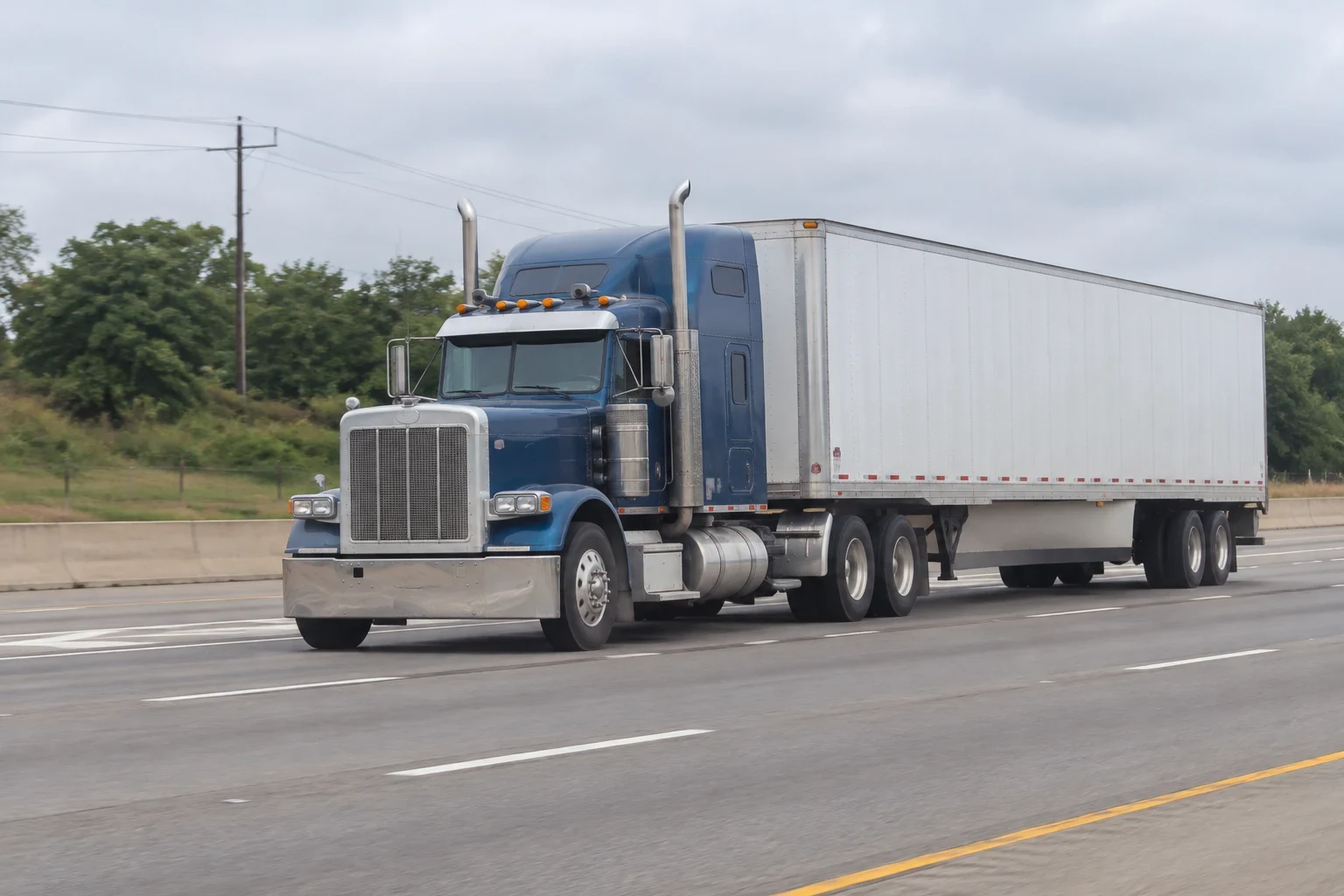
Say your truck hits a car from behind on the interstate or catches the corner of a dock. Primary auto liability is what pays the other side: their medical costs, their vehicle repairs and the lawyers who defend you, all up to your limit. Your own truck is not part of it; physical damage insurance handles that.
Regulators check this policy before anything else. For interstate motor carriers, the insurer submits a BMC-91X to FMCSA as proof of coverage, and the policy includes the MCS-90 endorsement. If you stay inside Texas, the proof goes to the Texas Department of Motor Vehicles instead. With no filing on record, your authority is not active.
Our preference is to work this out with you weeks ahead of a renewal or a new contract, not the morning a broker emails asking for a certificate. That lead time lets us compare insurers and close gaps while you still have options.
How we build your liability policy
Limits sized to your agreements
First we look up the federal minimum for your freight type. Then we read the limits your broker and shipper contracts spell out, since many ask for more, and we write the policy to whichever figure is higher.
Federal or Texas filings
The insurer submits a BMC-91X to FMCSA, or the Texas filing if you run only in-state, linked to your DOT number. Before your first load goes out, we verify that it reads active.
Scheduled power units
Every tractor is listed by VIN, or picked up under a wider auto symbol when that suits your operation. If you buy a truck mid-term, we get it onto the policy before it rolls out of the yard.
Reviewing your driver roster
Underwriters score each driver on CDL class, years behind the wheel and motor vehicle record. We go through the roster together so a new hire is not excluded after they are already driving.
Certificates for your customers
Brokers, shippers and job sites each expect a certificate of insurance showing your liability limit with them named as holder. We produce those and keep the language in line with the actual policy.
When your liability coverage needs a fresh look
- You are ending a lease
- While leased on, you are usually covered by the carrier's liability during dispatch. Once you run under your own MC authority, your own primary policy and filing have to be active first.
- A customer asks for more coverage
- When a new lane or shipper requires a higher liability limit than you have, both the policy change and a revised certificate need to be done before you pick up the first load.
- Renewal came in much higher
- A steep increase usually points to a claim, a driver citation or a wider radius. Beginning the review 60 to 90 days before renewal gives you time to shop.
- More trucks or drivers are coming
- Every new unit and driver shifts the rating. Letting us know before you buy or hire means you can budget for the extra premium rather than meet it on your next bill.
- You plan to run out of state
- Interstate work adds federal filing requirements. Your policy and filing have to be updated before the first load leaves Texas.
Steps to your liability quote
- 1
Start on the phone or by video
We begin with your DOT number, your freight, your typical radius and the date coverage needs to start. In ten or fifteen minutes we can usually sketch out what the policy will look like.
- 2
Pulling together your file
We gather VINs for each truck, your driver roster with CDL details and dates of birth, and loss runs from your current insurer if you have one. A tidy, complete file tends to get a closer look from underwriters.
- 3
Lining up the quotes
Your file goes to insurers that write your type of trucking. We set the quotes next to each other so you can compare limits, any liability deductible, and exclusions.
- 4
Binding and posting the filing
After you pick a quote, we bind coverage, request the BMC-91X or Texas filing, and send certificates to your customers. Your renewal date goes on our calendar so next year's review starts early.
What drives the cost of your liability coverage
On most trucking policies, liability is the biggest line item, since it answers for the costliest losses there are: other people's injuries. Underwriters rate it on how much risk your operation puts on the road. We go through each piece with you before you sign, so the number is explained rather than just handed over.
- The limit you choose
- Raising the limit raises the premium, but the jump is often more modest than carriers expect. What matters most is the figure your contracts call for.
- How far you run and what you haul
- Long-haul mileage and riskier freight push the rate higher. A short local route with dry goods is priced very differently from regional hazmat work.
- Who is behind the wheel
- Tickets, crashes and thin CDL experience all add premium. A single driver with a rough record can lift the price on the entire policy.
- Time in business and claims
- A brand-new MC authority has no history for underwriters to lean on, so early premiums run higher. A few years of clean loss runs gives you real bargaining room at renewal.
- Inspection and CSA results
- Underwriters can see your FMCSA roadside inspections and CSA scores. Weak numbers in areas like unsafe driving or vehicle maintenance show up in the price.
Primary auto liability questions we hear
- Is primary auto liability the same thing as commercial trucking insurance?
- No, it is one piece of it. Commercial trucking insurance is the whole package, which often includes physical damage, motor truck cargo and other lines. Primary auto liability is the required piece, and it is the one your filings rely on.
- My truck runs under another company's authority. Does that company's policy cover my liability?
- Usually yes, while you are hauling under that motor carrier's dispatch, since most lease agreements make the carrier responsible for primary liability. The gap is when the truck moves off dispatch, and non-trucking liability, often called bobtail coverage, is built for that. Every lease reads a little differently, so we can walk through your agreement with you and point out who covers what.
- How soon does my filing appear after the policy is bound?
- The insurer sends the filing electronically after binding, and it usually posts within a few business days. We look up your FMCSA record ourselves and let you know once it reads active, so there is no guesswork before you dispatch.
- What if my liability policy gets canceled?
- The insurer submits a cancellation notice, and without a replacement filing on record your authority can be revoked. For that reason we keep an eye on payment and renewal dates, and when a carrier will not renew, we begin shopping a replacement well ahead of the cutoff.
- Will this policy cover the trailer I pull?
- Liability generally attaches to the power unit and carries over to a trailer hooked to it. Damage to a trailer you do not own, taken under an interchange agreement, is handled separately through trailer interchange insurance.
Start your liability review before the deadline
Have your DOT number and renewal date handy. We will go over your limits, your filings and what your customers require, and tell you where things stand.