ServicesNon-Trucking Liability (Bobtail)
Non-Trucking Liability (Bobtail) Insurance in Mesquite
Leased to a motor carrier, your truck rides on their liability while you're under dispatch. Off dispatch, that protection usually stops. We arrange non-trucking liability that covers those miles and lines up with your lease, ready before the first load goes out.
How non-trucking liability works
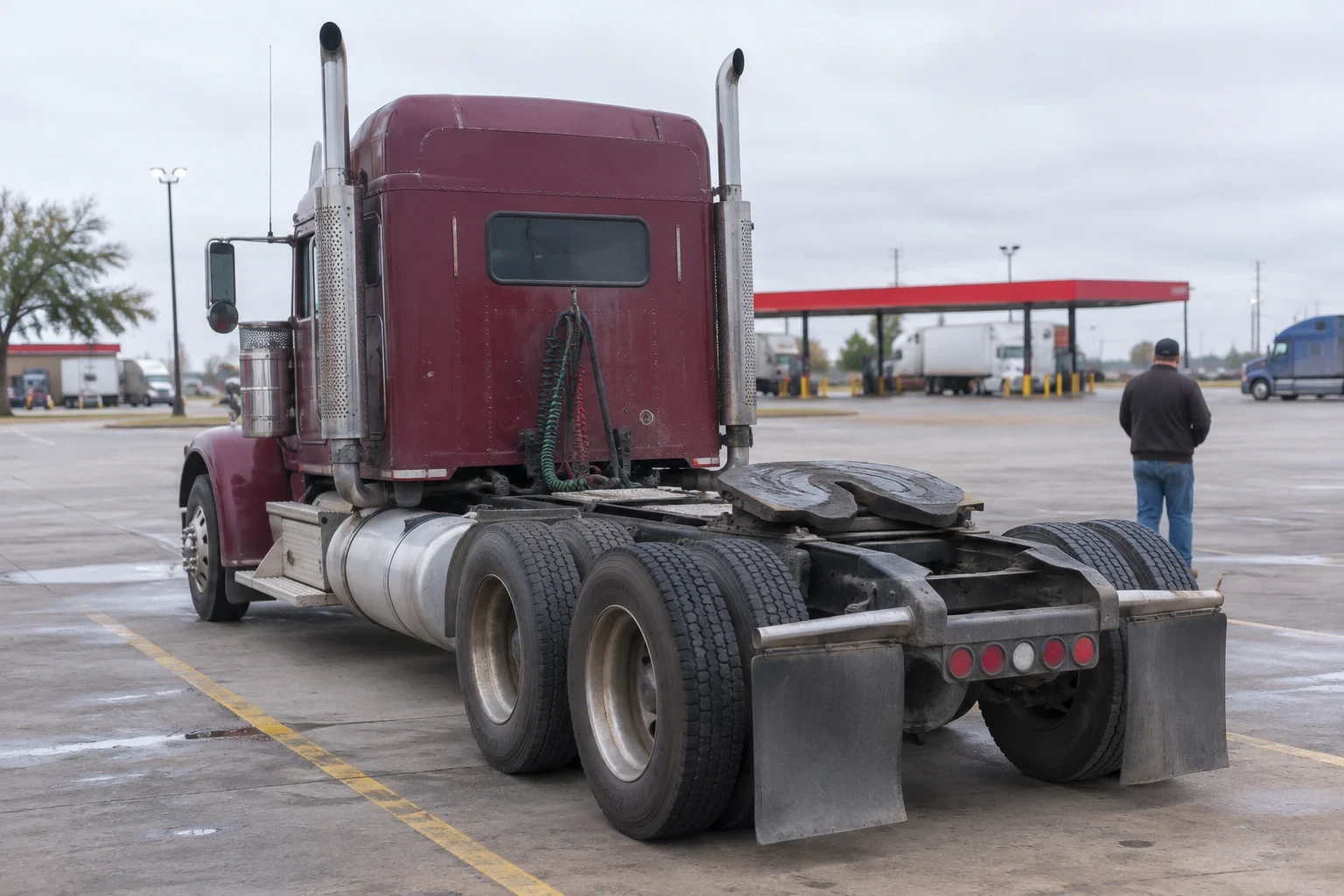
Non-trucking liability, which many drivers call bobtail insurance, responds when your truck injures someone or damages their property while it's being used for something other than the carrier's business. Picture taking the tractor back to your place after a run, dropping it at a shop on your own time or using it for a weekend errand. Your carrier's primary auto liability handles the miles you run on their dispatch. This coverage handles the rest.
People treat the two names as one, but the contracts can differ. A true bobtail form may cover a tractor running without a trailer even on a business trip. A non-trucking form excludes any trip in the carrier's business, loaded or not. We go through the wording with you so the form you buy is the one you meant to buy.
Most leases spell out this requirement, usually with a minimum limit and instructions for how the carrier appears on the certificate of insurance. Handling it before you sign keeps your first dispatch on schedule.
What setting up your NTL policy involves
- 01
Reading your lease
We go through the insurance clause in your lease to pull out the required limit, how the carrier wants to be named on the certificate and when proof is due. Every carrier writes this part a little differently, and one overlooked line can stall your first dispatch.
- 02
Fitting the form to your off-duty driving
We ask how the tractor gets used when you're not under dispatch, from home time to shop trips to deadheading after a drop. Those answers decide whether a strict non-trucking form or a wider bobtail form makes sense.
- 03
Getting the certificate to the carrier
After the policy is bound, we prepare the certificate of insurance with the carrier listed the way they ask and deliver it to the contact they give us. Revised copies later on are part of the job.
- 04
Weighing the carrier's in-house option
Some carriers sell NTL as a deduction from your settlement. We set that number beside a standalone quote and explain what becomes of the coverage if you move to another carrier.
- 05
Updates when the lease changes
A new carrier, a replacement tractor or your own MC authority each changes what this policy needs to do. We adjust it or retire it so you stop paying for protection that no longer applies.
Questions about Non-Trucking Liability (Bobtail)?
Call(972) 846-9540When it's time to set up NTL
A lease is about to be signed
Carriers usually want proof of NTL before your first dispatch. Arranging it while you review the lease keeps the truck from sitting.
The tractor comes back with you
If the truck parks at your place in Forney or Garland between runs, the drive to and from the yard on your own time is off dispatch. That's exactly what this policy is for.
Your carrier wants a certificate
When a carrier asks for a certificate of insurance listing them a particular way, the lease almost always requires NTL at a set limit.
The dispatch line is fuzzy to you
If you can't tell whether a wash bay stop or fueling after a delivery is business use, read the lease and policy side by side now rather than after a claim.
You're moving to your own authority
Running under your own DOT number and MC authority means NTL stops being the right fit. Primary auto liability takes its place, and when you make that change matters.
Our steps from first call to dispatch
- 1
Talk through your setup
We cover your tractor, the carrier you're leased to and how the truck gets used off the clock. Keep your lease nearby for this call if possible.
- 2
Collect what underwriters need
That means your CDL details, driving history, the tractor's VIN, where it's garaged and the carrier's name and requirements. We can do this by phone, by video or at our office.
- 3
Review quotes and the policy wording
We come back with options and show you what each one covers, where its exclusions are and how the limit matches your lease.
- 4
Bind and notify the carrier
When you pick a policy, we put it in force and deliver the certificate of insurance to the carrier so they can release you for dispatch.
What drives the price of NTL
Because it only responds to off-dispatch driving, non-trucking liability tends to sit near the bottom of an owner-operator's insurance bill. Two drivers with the same tractor can still see different numbers. Underwriters weigh a handful of things more heavily than the rest.
- The limit your lease sets
- Higher limits carry a higher premium. We price the amount your carrier's lease calls for and stop there.
- Your MVR and CDL experience
- Tickets, at-fault wrecks and how long you've held a CDL shape the rate. A clean motor vehicle record does more for the price than nearly any other factor.
- Where the truck sits overnight
- The garaging address matters, because some areas produce more collision and theft claims than others.
- Which form you choose
- A wider bobtail form that reaches some unloaded business trips usually runs higher than a narrow non-trucking form.
- Past claims
- Earlier liability losses, small ones included, can follow your premium for a few years.
Common questions about bobtail coverage
Will NTL respond if I'm headed to pick up a load?
In most cases, no. A drive to a pickup under dispatch is the carrier's business, so their primary liability should be the policy that answers. NTL is written for trips that do nothing for the carrier.
Will this policy repair my own tractor?
No. Non-trucking liability is for the other party: injuries to people outside your cab and harm to vehicles or property that belong to someone else. Fixing your own tractor after a wreck falls under physical damage insurance, and we can quote both on the same call.
My carrier sells NTL through a settlement deduction. Is that a good idea?
It depends on the numbers and the terms. Coverage bought through a carrier usually stops the day you leave them, which can leave a gap if you switch. We'll lay their deduction beside a standalone policy so the choice is clear.
I run under my own authority. Do I still need NTL?
You don't. With your own MC authority you carry primary auto liability, and that policy covers the truck on business and personal trips alike. NTL exists for owner-operators leased onto another carrier.
How fast can the certificate reach my carrier?
Timing comes down to how soon we have your driver details, truck information and the carrier's requirements. Bringing your lease to the first call cuts out most of the back and forth.
Line up your coverage before the lease starts
Tell us about your truck and the carrier you're signing with, and we'll match the policy to your lease terms. We work with owner-operators across Mesquite and the surrounding towns.